

Key Takeaways:
- Anxiety and addiction often happen together because many people use substances to cope with stress, panic, or emotional discomfort.
- PHP and IOP programs can help treat anxiety and addiction through structured therapy, relapse prevention, and mental health support.
- Breakaway Health provides anxiety and addiction treatment with outpatient rehab, therapy services, and over 33 years of experience.
When Anxiety and Addiction Start Affecting Daily Life
Anxiety and addiction can make everyday life feel exhausting. Many people use alcohol or drugs to temporarily calm stress, panic, fear, or racing thoughts, but substance use often makes anxiety symptoms worse over time. Treating both conditions together can help reduce relapse risk and improve emotional stability. Breakaway Health provides anxiety and addiction treatment through PHP, IOP, day treatment, night treatment, and therapy services in Costa Mesa.
How Are Anxiety Disorders Connected to Addiction?
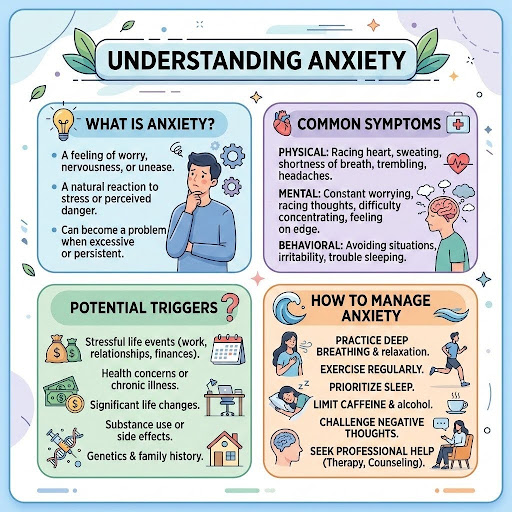
Anxiety disorders and addiction are closely connected for many people. Some people begin using alcohol or drugs to cope with stress, panic attacks, social anxiety, or constant worry. While substances may temporarily numb anxiety symptoms, long-term substance abuse often increases emotional instability and dependence.
Common anxiety disorders connected to addiction include:
- Generalized anxiety disorder
- Panic disorder
- Social anxiety disorder
- PTSD
- Trauma related anxiety
People struggling with anxiety may misuse substances such as:
- Alcohol
- Prescription medications
- Opioids
- Benzodiazepines
- Marijuana
- Stimulants
Over time, addiction and anxiety may continue feeding each other. Anxiety symptoms can trigger substance use, while substance abuse may increase fear, panic, mood swings, and emotional instability.
At Breakaway Health, treatment focuses on helping clients manage both addiction and anxiety together instead of treating them separately.
What Are the Signs of Anxiety and Substance Abuse Problems?
Anxiety and substance abuse symptoms often overlap, making it difficult for some people to recognize both conditions clearly.
Common signs may include:
- Constant worry or fear
- Panic attacks
- Irritability
- Trouble sleeping
- Mood swings
- Avoiding social situations
- Increased alcohol or drug use
- Using substances to relax emotionally
- Difficulty concentrating
- Isolation from family or friends
Some people notice anxiety symptoms becoming worse during sobriety or after substance use stops. Others may rely on substances daily because emotional symptoms feel difficult to manage without them.
At Breakaway Health, clinical assessments help identify whether anxiety disorders and substance abuse are affecting recovery at the same time.
Why Do Anxiety and Addiction Often Happen Together?
Anxiety and addiction often happen together because people may use substances to manage emotional discomfort temporarily. This pattern is sometimes called self-medication.
For example:
- Alcohol may temporarily reduce social anxiety
- Prescription sedatives may numb panic symptoms
- Marijuana may temporarily calm racing thoughts
- Opioids may create emotional numbness
While these effects may feel relieving at first, substance abuse often worsens anxiety over time. Withdrawal symptoms, sleep problems, mood instability, and chemical changes in the brain may increase emotional distress.
Stressful experiences, trauma, family history, and untreated mental health conditions may also increase the risk of both anxiety and addiction.
At Breakaway Health, treatment helps clients develop healthier coping skills so emotional symptoms are managed without relying on substances.
How Does Anxiety and Addiction Treatment Work?
Anxiety and addiction treatment works by addressing both mental health symptoms and substance abuse together. Treating addiction without addressing anxiety may increase relapse risk.
Treatment often focuses on:
- Identifying emotional triggers
- Building healthy coping skills
- Managing stress and panic symptoms
- Reducing relapse risk
- Improving emotional regulation
- Creating healthy routines
At Breakaway Health, treatment programs may include:
- PHP
- IOP
- Day treatment
- Night treatment
- Individual therapy
- Group therapy
- Family counseling
What Types of Therapy Are Used for Anxiety and Addiction Treatment?
Several therapy approaches may help people struggling with anxiety and substance abuse.
At Breakaway Health, therapy options may include:
Individual Therapy
Individual counseling helps clients process emotional stress, anxiety symptoms, trauma, and addiction patterns privately.
Group Therapy
Group therapy helps clients build communication skills, accountability, and peer support during recovery.
Trauma Therapy
Trauma therapy may help people whose anxiety and addiction are connected to painful past experiences.
Family Therapy
Family counseling can improve communication and help repair relationships affected by addiction and anxiety.
Couples Therapy
Couples counseling may help improve trust, communication, and emotional support during treatment.
Grief Therapy
Grief counseling helps clients process emotional pain connected to loss, trauma, or major life changes.
Can PHP and IOP Programs Help Treat Anxiety and Addiction?
Yes, PHP and IOP programs can both help treat anxiety and addiction conditions.
PHP for Anxiety and Addiction Treatment
PHP provides a higher level of structure and support for people struggling with severe anxiety symptoms, strong cravings, or high relapse risk.
PHP may help people who:
- Recently relapsed
- Completed detox
- Experience intense anxiety symptoms
- Need daily accountability
- Struggle with emotional instability
IOP for Anxiety and Addiction Treatment
IOP provides ongoing therapy and support with greater flexibility for work, school, or family responsibilities.
IOP may help people who:
- Have gained some recovery stability
- Need continued therapy
- Want flexible treatment scheduling
- Need ongoing relapse prevention support
At Breakaway Health, both PHP and IOP programs provide structured outpatient support for anxiety, addiction, and dual diagnosis treatment.
How Long Does Anxiety and Addiction Treatment Usually Last?
The length of anxiety and addiction treatment depends on several factors including substance use severity, anxiety symptoms, relapse history, and treatment progress. Some clients remain in treatment for several weeks while others benefit from longer support.
Treatment length may depend on:
- Emotional stability
- Relapse risk
- Anxiety symptom severity
- Progress in therapy
- Support system at home
- Recovery goals
Many clients begin with higher levels of care like PHP before transitioning into IOP or alumni support programs. At Breakaway Health, treatment plans are adjusted based on clinical progress instead of using the same timeline for every client.
What Are the Statistics on Addiction Treatment in the United States?
Millions of Americans struggle with addiction and mental health conditions each year. Anxiety disorders remain one of the most common mental health conditions connected to substance abuse.
Research shows:
- Millions of adults in the United States experience anxiety disorders annually
- Substance abuse commonly appears alongside anxiety conditions
- Many people delay treatment because they do not recognize both conditions together
- Dual diagnosis treatment often improves long-term recovery outcomes
Outpatient treatment programs continue to grow because they provide flexible support while allowing people to continue work, school, or family responsibilities. This flexibility makes treatment more realistic for many individuals struggling with anxiety and addiction.
How Do You Choose the Right Anxiety and Addiction Treatment Program?
Choosing the right anxiety and addiction treatment program depends on your symptoms, relapse risk, support system, and level of daily functioning.
When choosing a treatment program, consider:
Anxiety Symptoms
Frequent panic attacks, severe stress, trauma symptoms, or emotional instability may require structured treatment support.
Relapse Risk
Frequent relapse history may require higher levels of care such as PHP treatment.
Treatment Flexibility
Some people need outpatient programs that allow them to continue work, school, or family responsibilities.
Therapy Options
Strong treatment programs should include therapy services that address both anxiety and substance abuse together.
Long-Term Support
Ongoing treatment and alumni programs may help reduce relapse risk after rehab.
At Breakaway Health, treatment recommendations are based on clinical needs and personal recovery goals.
Why Do People Choose Breakaway Health for Anxiety and Addiction Treatment?
Many people choose Breakaway Health because we are a family owned treatment center with over 33 years of experience helping individuals and families struggling with addiction and mental health conditions.
Breakaway Health provides multiple levels of outpatient treatment including:
- PHP
- IOP
- Day treatment
- Night treatment
- Adolescent treatment
- Alumni programs
We also offer therapy services including:
- Trauma therapy
- Family therapy
- Couples counseling
- Group therapy
- Grief counseling
- Individual therapy
Clients often choose Breakaway Health because they want structured treatment that addresses both anxiety and addiction together in one supportive outpatient setting.
Getting Support for Anxiety and Addiction Starts Here
Anxiety and addiction often affect each other, making recovery more difficult when both conditions are left untreated. Programs like PHP and IOP provide structured outpatient support for anxiety disorders, substance abuse, trauma, and dual diagnosis conditions. Breakaway Health in Costa Mesa offers anxiety and addiction treatment through therapy, outpatient rehab, mental health support, and long-term recovery programs. Call Breakaway Health Today!
FAQs
How does anxiety affect addiction?
Anxiety can increase the risk of addiction when people use drugs or alcohol to cope with stress, panic, or overwhelming emotions over time.
What drugs make anxiety worse?
Stimulants, alcohol, marijuana, cocaine, and some prescription medications can worsen anxiety symptoms and increase panic or paranoia.
What is the best lifestyle for anxiety?
A healthy lifestyle for anxiety includes regular exercise, quality sleep, balanced nutrition, stress management, and avoiding drugs and alcohol.
What are 5 warning signs of addiction?
Common signs of addiction include cravings, loss of control, mood changes, isolation, and continuing substance use despite negative consequences.
What is the #1 worst habit for anxiety?
Avoiding stress instead of managing it can worsen anxiety, especially when paired with unhealthy coping methods like substance use or isolation.