

Key Takeaways:
- Trauma can contribute to sex addiction by creating emotional pain, unhealthy coping patterns, and compulsive sexual behaviors that become difficult to control.
- Unresolved trauma often affects relationships, self worth, and emotional regulation, increasing the risk of developing or maintaining sex addiction.
- Trauma-informed sex addiction treatment at Breakaway Health helps clients address the underlying causes of trauma, reduce compulsive behaviors, and build healthier coping skills for lasting recovery.
Understanding the Connection Between Trauma and Sex Addiction
Sex addiction often begins quietly, long before the behaviors are recognized as harmful. Many individuals experience overwhelming emotions, painful memories, or unprocessed trauma that they do not know how to cope with. Over time, sexual behavior may become a temporary escape from fear, sadness, shame, or stress. Loved ones may see emotional distance, secrecy, or mood changes without knowing the deeper cause. Trauma can shape sexual behavior, emotional stability, and mental health in ways that feel isolating and confusing. Breakaway Health provides sex addiction treatment that helps individuals address trauma, build healthier coping skills, and regain emotional balance.
How Can Past Trauma Play a Role in Sex Addiction
Past trauma can significantly influence the development of sex addiction. When someone experiences trauma, the emotional impact can stay with them long after the event itself. Sexual behavior may feel like a distraction, a coping mechanism, or a quick way to avoid painful feelings. For some, the intensity of trauma creates emotional patterns that drive compulsive urges.
Trauma can lead to:
- Difficulty regulating emotions
- Persistent fear or anxiety
- Trouble forming trust
- Feelings of emptiness or disconnection
These emotional responses make it harder to process the past. Breakaway Health helps clients understand how their trauma affects their present behavior and supports them in building healthier emotional patterns.
Can Trauma Change the Brain and Increase the Risk of Sex Addiction?
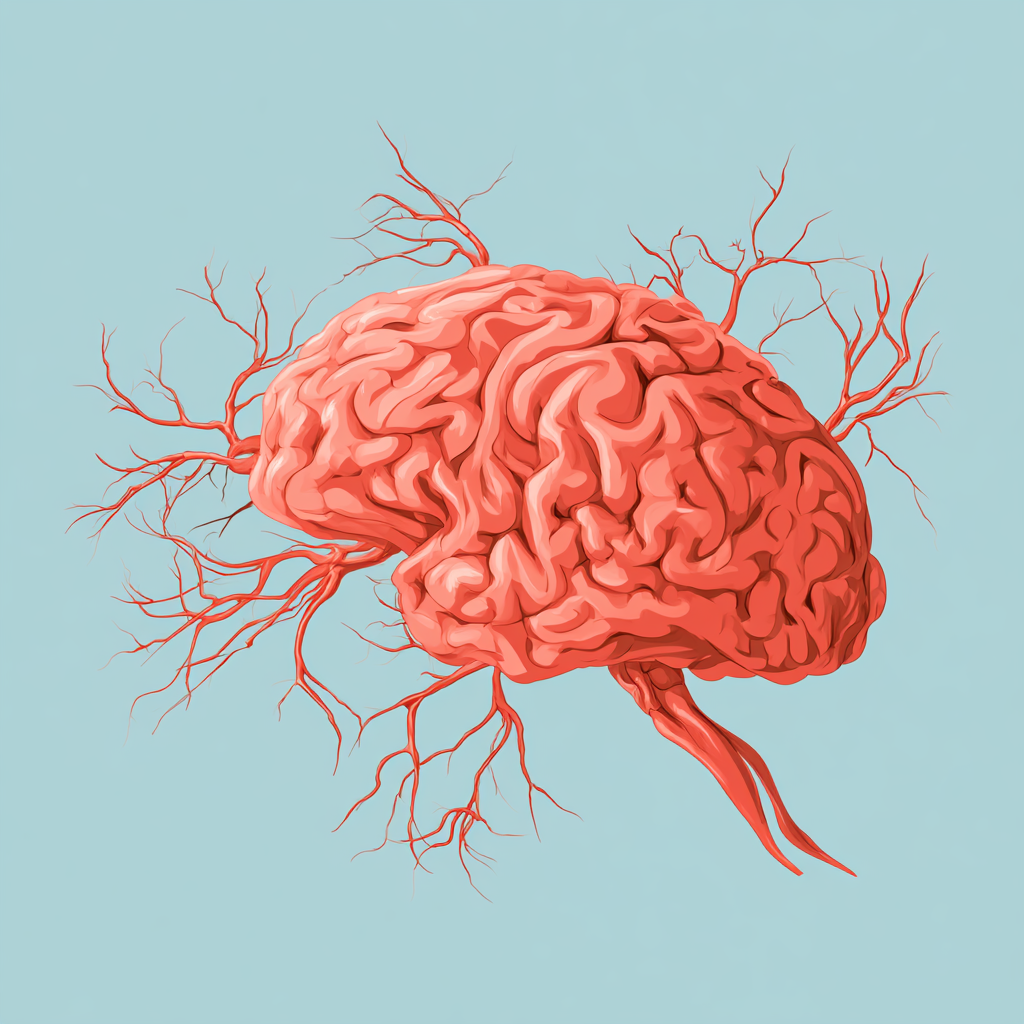
Trauma can affect the brain in ways that make it more difficult to regulate emotions, manage stress, and respond to difficult experiences. After a traumatic event, the brain may become more sensitive to fear, anxiety, or emotional distress. Some people begin relying on compulsive behaviors, including sexual behavior, to temporarily escape those feelings.
Over time, this pattern can reinforce unhealthy coping habits and increase the risk of sex addiction. While trauma does not cause sex addiction in every case, it can make some people more vulnerable to developing compulsive sexual behaviors.
At Breakaway Health, trauma informed therapy helps clients understand how trauma has affected their thoughts, emotions, and behaviors while building healthier ways to cope.
Why Do Some People Cope With Trauma Through Sexual Behaviors
Sexual behavior can temporarily relieve painful emotions connected to trauma. For some individuals, the emotional relief that follows sexual activity becomes a way to escape overwhelming thoughts or distressing memories. This coping pattern can become addictive because it provides fast comfort, even though it creates long-term emotional consequences.
Common reasons people turn to sexual behavior include:
- Avoiding painful memories
- Escaping anxiety or sadness
- Feeling temporarily wanted or valued
- Reducing emotional numbness
- Distracting from stress or inner conflict
Breakaway Health offers therapy to help individuals replace harmful coping tools with healthier strategies that support emotional growth and long-term stability.
What Types of Trauma Are Most Linked to Sex Addiction
Different types of trauma can influence the development of sex addiction. Trauma affects how a person views themselves, their relationships, and their ability to manage emotions. Certain traumatic experiences increase the likelihood that someone may turn to sexual behavior for comfort or control.
Traumatic experiences often linked to sex addiction include:
- Childhood abuse
- Sexual trauma
- Emotional neglect
- Domestic violence
- Developmental trauma
- Abandonment
- High-conflict or unstable households
These experiences can create emotional wounds that continue to impact adulthood. Breakaway Health helps clients address these deeper experiences with trauma-focused therapy and emotional support.
How Does Childhood Trauma Influence Sexual Behavior Later in Life
Childhood trauma can have a lasting effect on emotional development, attachment, and coping behaviors. When traumatic experiences occur during early development, the brain and nervous system adapt in ways that affect relationships and emotional regulation later in life. As adults, many individuals may turn to sexual behavior to cope with the lasting effects of childhood trauma.
Childhood trauma can lead to:
- Difficulty forming trusting relationships
- Low self worth
- Emotional dysregulation
- Fear of abandonment
- Compulsive coping behaviors
Breakaway Health provides therapy that addresses childhood trauma by helping clients understand how early experiences shape present patterns and how to rebuild emotional stability.
Can Sex Addiction Be Treated if It Is Caused by Trauma?
Yes. Even when trauma contributes to sex addiction, recovery is possible with the right treatment and support. Treating compulsive sexual behavior without addressing unresolved trauma may make it harder to achieve lasting progress, which is why both concerns are often treated together.
At Breakaway Health, sex addiction treatment focuses on helping clients process trauma, understand emotional triggers, and develop healthier coping strategies. As underlying trauma begins to heal, many people experience fewer compulsive urges and greater emotional stability.
Addressing both trauma and sex addiction gives clients the opportunity to build healthier relationships, improve their mental health, and create lasting recovery.
What Therapies Help Treat Trauma and Sex Addiction Together?
Successful treatment often combines several evidence based therapies that address both trauma and sex addiction. Each therapy supports a different part of the healing process while helping clients build healthier emotional and behavioral patterns.
Treatment may include:
- Individual Therapy to identify emotional triggers and unhealthy coping behaviors.
- Trauma Therapy to safely process difficult experiences.
- Group Therapy to reduce isolation and build peer support.
- Family Therapy to improve communication and rebuild trust.
- Couples Therapy to strengthen healthy relationships.
- Grief Therapy to help process loss and emotional pain.
At Breakaway Health, every treatment plan is personalized to help clients heal from trauma while reducing compulsive sexual behaviors and improving emotional well being.
What Are the Long Term Effects of Untreated Trauma and Sex Addiction?
When trauma and sex addiction go untreated, they can continue affecting many areas of a person’s life. Compulsive sexual behavior may become more frequent over time, while unresolved trauma can continue contributing to emotional distress and unhealthy coping patterns.
Without treatment, people may experience:
- Ongoing shame or guilt
- Anxiety or depression
- Relationship problems
- Difficulty trusting others
- Increased isolation
- Continued compulsive sexual behaviors
Professional treatment can help interrupt these patterns before they become more severe. At Breakaway Health, clients receive support that addresses both trauma and sex addiction, helping them build healthier coping skills and improve long term emotional wellness.
Can Unresolved Emotional Pain Lead to Compulsive Sexual Behavior
Yes, unresolved emotional pain can lead to compulsive sexual behavior. When painful emotions are not processed, they can become overwhelming. Sexual behavior may feel like the quickest way to soothe distress or regain a sense of control. Over time, this creates a cycle where emotional pain fuels compulsive behavior, and the compulsive behavior increases feelings of shame or guilt.
Unresolved emotional pain may show up as:
- Internal conflict
- Sadness or emptiness
- Difficulty expressing emotions
- Emotional numbness
- Trouble coping with stress
Breakaway Health teaches clients how to safely process emotional pain so they do not rely on compulsive behavior to cope.
How Does Trauma Affect Relationships for Someone With Sex Addiction
Trauma often affects how a person relates to others. Individuals who experienced trauma may struggle with trust, connection, communication, or vulnerability. Sex addiction can add even more strain by creating secrecy, emotional distance, or guilt that impacts relationships.
Trauma-related relationship struggles include:
- Fear of emotional closeness
- Conflicts related to trust
- Difficulty expressing needs
- Emotional withdrawal
- Attachment challenges
These patterns can harm current relationships and create cycles of emotional disconnection. Breakaway Health offers couples and family therapy that helps rebuild trust, communication, and emotional connection.
When Should Someone Seek Help for Trauma Connected to Sex Addiction
Someone should seek help when trauma and sexual behavior begin affecting their mental health, relationships, work, or daily functioning. If sexual behavior is used to manage overwhelming emotions, or if trauma feels unresolved, professional support can help.
Signs that help may be needed include:
- Feeling out of control with sexual behaviors
- Using sex to cope with emotional pain
- Persistent shame or guilt
- Emotional instability
- Relationship strain
- Difficulty coping with trauma memories
Breakaway Health provides therapy and structured programs that help individuals process trauma safely and reduce compulsive patterns.
Sex Addiction and Trauma Treatment at Breakaway Health
Trauma can deeply affect emotions, behavior, and relationships, but it does not have to control life forever. Breakaway Health provides a safe and supportive environment where individuals can explore how trauma has shaped their behavior and begin building healthier coping skills. Our therapy programs help clients improve emotional stability, strengthen meaningful connections, and gain the support needed for long-term healing. If you or someone you love is struggling with trauma-related sex addiction, Call Breakaway Health Today!
Frequently Asked Questions (FAQs)
1. Can trauma cause sex addiction?
Yes, trauma can contribute to sex addiction by creating emotional pain, fear, or stress that leads someone to use sexual behavior as a coping mechanism.
2. Why do people become sex addicts?
People may develop sex addiction due to trauma, emotional distress, unresolved needs, mental health conditions, or relying on sexual behaviors for temporary relief.
3. What type of trauma can cause hypersexuality?
Hypersexuality can stem from childhood trauma, sexual abuse, emotional neglect, relationship betrayal, or experiences that deeply affect emotional stability.
4. What are the stages of sex addiction?
Sex addiction commonly progresses through preoccupation, escalation, loss of control, and negative consequences that disrupt mental health and relationships.
5. What mental illness is associated with hypersexuality?
Hypersexuality is often linked to conditions such as bipolar disorder, PTSD, anxiety disorders, and impulse control disorders.