

Key Takeaways:
- Neural pathway treatment focuses on changing unhealthy brain patterns through repeated practice, while traditional therapy focuses on understanding thoughts, emotions, and life experiences.
- Neural pathway treatment and traditional therapy can both treat anxiety, depression, trauma, and addiction, but many people benefit most when the two approaches are combined.
- Breakaway Health combines evidence-based therapies, multiple levels of care, and personalized treatment plans to support healthier neural pathways and long term recovery.
What To Know About the Differences Between Neural Pathway Treatment and Traditional Therapy
When looking for mental health or addiction treatment, it’s common to wonder which approach will provide the best results. Two options you may come across are neural pathway treatment and traditional therapy. While both aim to improve emotional health and support recovery, they use different approaches to help people change unhealthy thoughts, behaviors, and coping patterns. At Breakaway Health in Costa Mesa, we use evidence based therapies that support healthier neural pathways while creating personalized treatment plans for every client.
Neural Pathway Treatment vs Traditional Therapy Statistics and Research Findings
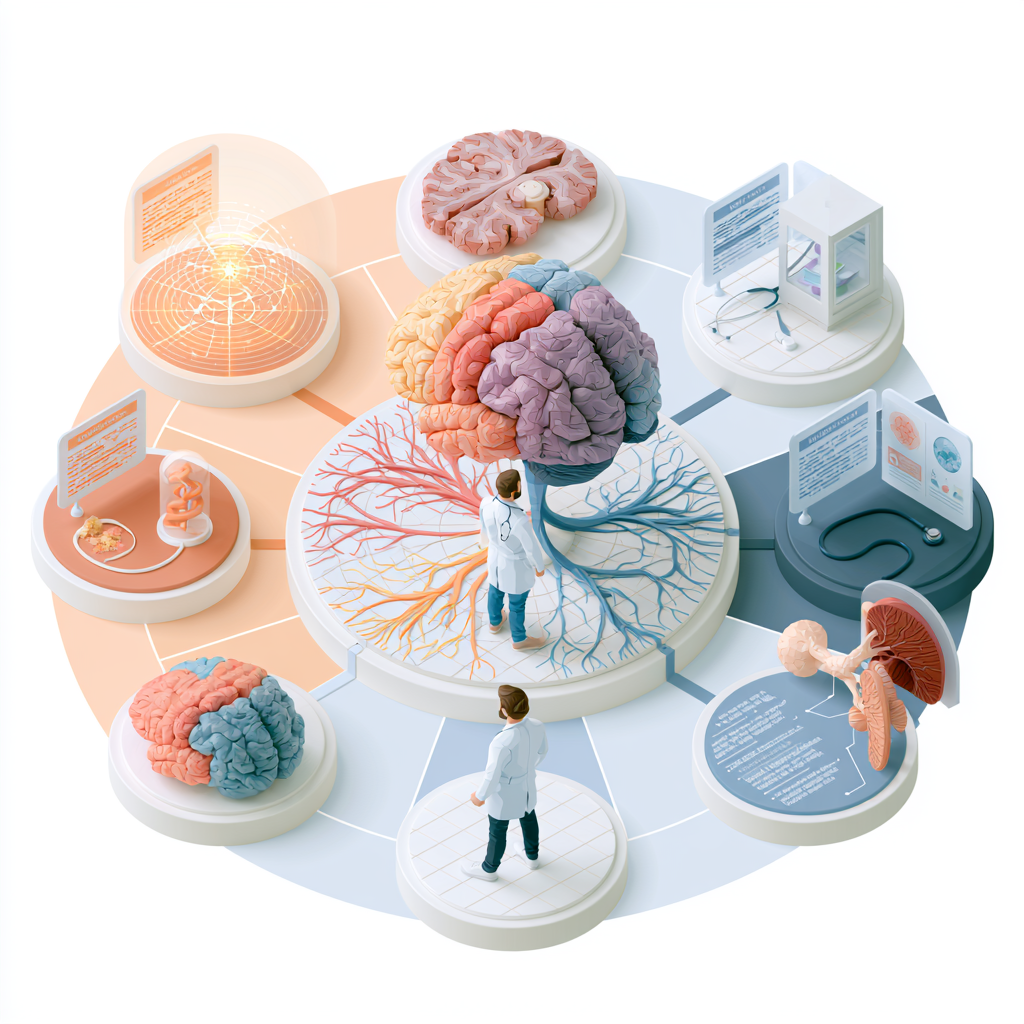
Research shows that both neural pathway treatment and traditional therapy can improve mental health and addiction recovery. The biggest difference is that neural pathway treatment focuses on changing the brain’s neural connections through repeated healthy behaviors, while traditional therapy often focuses on processing thoughts, emotions, and life experiences through conversation.
The research below highlights why both approaches continue to play an important role in treatment.
Research Finding | Source |
Nearly 1 in 5 U.S. adults experience a mental illness each year. | |
About 48.5 million Americans aged 12 and older had a substance use disorder in 2023. | |
Research shows the brain can continue forming new neural connections throughout adulthood through neuroplasticity. | |
Studies supported by NIDA show that addiction changes brain circuits involved in reward, stress, and decision making, but many of these changes improve with treatment. |
These findings show that recovery involves both the mind and the brain. For many people, combining therapies that address emotions, behaviors, and brain function leads to better long term outcomes.
What Is Neural Pathway Treatment?
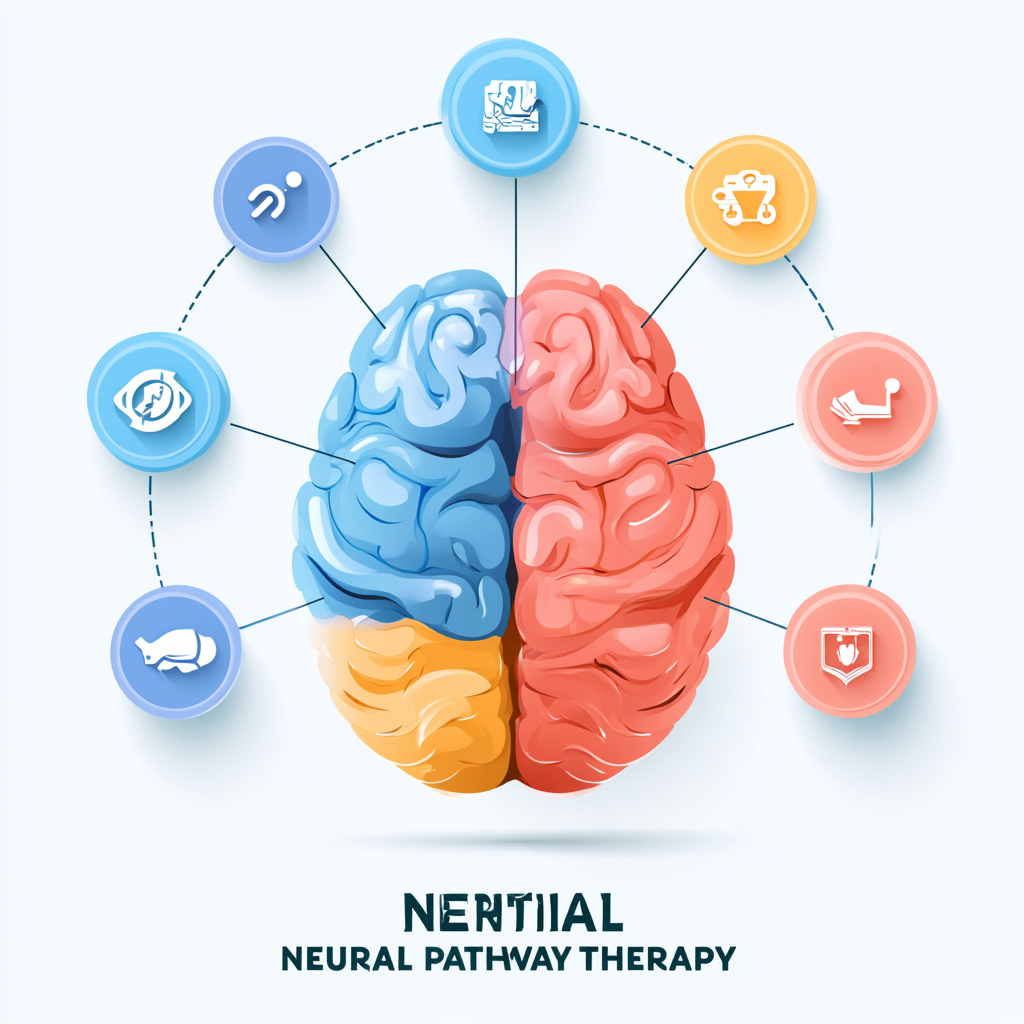
Neural pathway treatment refers to therapies that help the brain replace unhealthy thought and behavior patterns with healthier ones. It is based on neuroplasticity, the brain’s ability to create new neural connections throughout life through repeated practice and positive experiences. Rather than being one specific treatment, neural pathway treatment includes evidence based therapies that help strengthen healthier neural pathways over time.
At Breakaway Health, neural pathway treatment may include:
- Individual Therapy
- Group Therapy
- Family Therapy
- Couples Therapy
- Trauma Therapy
- Grief Therapy
These therapies help clients improve emotional regulation, develop healthier coping skills, and replace behaviors that contribute to mental health and substance use disorders.
What Is Traditional Therapy?
Traditional therapy helps people better understand their thoughts, emotions, and behaviors through conversations with a licensed mental health professional. It focuses on identifying the causes of emotional challenges, developing healthy coping skills, and improving mental well being. Traditional therapy may include individual, family, couples, or group counseling and is commonly used to treat anxiety, depression, trauma, grief, relationship challenges, and substance use disorders.
Unlike neural pathway treatment, which emphasizes strengthening healthier brain patterns through repeated practice, traditional therapy often places greater focus on insight, emotional processing, and problem solving. However, the two approaches are not completely separate. Many evidence based therapies naturally support both emotional healing and the development of healthier neural pathways.
Neural Pathway Treatment vs. Traditional Therapy
Feature | Neural Pathway Treatment | Traditional Therapy |
Primary Focus | Building healthier neural pathways | Processing thoughts and emotions |
Goal | Change unhealthy brain patterns | Improve emotional insight and coping |
Approach | Repeated practice and behavior change | Discussion, reflection, and guidance |
Common Uses | Addiction, trauma, anxiety, depression | Mental health, relationships, stress, grief |
Timeline | Progress develops through consistent practice | Progress depends on personal goals and therapy approach |
At Breakaway Health, treatment plans often combine both approaches to give clients the tools they need for lasting recovery.
How Does Neural Pathway Treatment Compare to Traditional Therapy?
Neural pathway treatment and traditional therapy both help improve mental health and addiction recovery, but they use different approaches. Neural pathway treatment focuses on changing unhealthy brain patterns through repeated practice, while traditional therapy helps people better understand their thoughts, emotions, and experiences.
Neither approach is better than the other. The right option depends on a person’s needs, diagnosis, and treatment goals. In many cases, combining both approaches provides the greatest benefit.
Neural Pathway Treatment | Traditional Therapy |
Focuses on strengthening healthier neural pathways | Focuses on processing thoughts and emotions |
Uses repeated practice to create lasting behavior change | Uses discussion to improve self awareness and coping |
Helps build healthier habits over time | Helps identify the causes of emotional distress |
Often used for addiction, trauma, anxiety, and depression | Commonly used for mental health, relationships, grief, and stress |
Encourages practicing skills inside and outside of therapy | Primarily focuses on what happens during therapy sessions |
At Breakaway Health, clients often benefit from both approaches. Therapy sessions help clients better understand their experiences while also developing practical skills that strengthen healthier neural pathways over time.
What Conditions Can Neural Pathway Treatment and Traditional Therapy Treat?
Both neural pathway treatment and traditional therapy are used to treat a wide range of mental health and substance use disorders. While their approaches differ, they often address many of the same conditions.
Common conditions treated include:
- Anxiety disorders
- Depression
- Trauma and PTSD
- Alcohol addiction
- Drug addiction
- Co occurring mental health and substance use disorders
- Grief and loss
- Relationship challenges
Although both approaches treat similar conditions, they may focus on different aspects of recovery. At Breakaway Health, treatment plans are personalized to address each client’s specific challenges while using therapies that support both emotional healing and long term recovery.
Neural Pathway Treatment vs Traditional Therapy Benefits
Both treatment approaches offer valuable benefits, but they help people in different ways. Understanding these differences can help you decide which approach may best fit your needs.
Emotional Healing
Traditional therapy helps people process difficult emotions, past experiences, and relationship challenges. Neural pathway treatment builds on that work by helping create healthier emotional responses over time.
Healthier Coping Skills
Both approaches teach coping strategies, but neural pathway treatment places greater emphasis on practicing those skills until they become everyday habits.
Lasting Behavior Change
Neural pathway treatment focuses on strengthening healthier neural pathways through repetition, making positive behaviors feel more natural over time. Traditional therapy often focuses on understanding why those behaviors developed in the first place.
Better Relationships
Both approaches help improve communication, emotional regulation, and conflict resolution, leading to healthier relationships with family, friends, and loved ones.
Long Term Recovery Support
For many people, combining neural pathway treatment with traditional therapy provides the strongest foundation for long term mental health and addiction recovery. Understanding emotions while practicing healthier behaviors allows clients to make meaningful changes that continue after treatment ends.
At Breakaway Health, our treatment programs combine evidence based therapies with practical skill building to help clients improve both their emotional health and everyday functioning.
How to Choose Between Neural Pathway Treatment and Traditional Therapy
Choosing between neural pathway treatment and traditional therapy depends on your symptoms, treatment goals, and personal preferences. Some people benefit from one approach, while many achieve the best results by combining both.
The table below highlights when each approach may be most appropriate.
If You Want To… | Neural Pathway Treatment | Traditional Therapy |
Build healthier coping habits | ✓ | ✓ |
Process difficult emotions or past experiences | ✓ | |
Change unhealthy behavior patterns | ✓ | |
Improve emotional regulation | ✓ | ✓ |
Recover from addiction | ✓ | ✓ |
Address trauma | ✓ | ✓ |
At Breakaway Health, every client completes a clinical assessment before treatment begins. This helps our team recommend the therapies and level of care that best support each person’s recovery goals.
Can Neural Pathway Treatment and Traditional Therapy Be Used Together?
Yes. In fact, many treatment plans combine neural pathway treatment and traditional therapy because they complement one another.
Traditional therapy helps clients better understand their thoughts, emotions, and experiences. Neural pathway treatment focuses on putting those insights into practice by strengthening healthier thought patterns and behaviors through repetition.
Using both approaches together allows clients to gain emotional insight while developing practical coping skills they can use every day.
At Breakaway Health, clients may participate in Individual Therapy, Group Therapy, Family Therapy, Couples Therapy, Trauma Therapy, and Grief Therapy as part of a personalized treatment plan. Combining these therapies helps support both emotional healing and long term recovery.
Who Is a Good Candidate for Neural Pathway Treatment?
Neural pathway treatment may benefit adolescents and adults living with mental health conditions, substance use disorders, or both. It is often recommended for people who continue struggling with unhealthy thought patterns, emotional challenges, or behaviors that affect their daily lives.
You may be a good candidate for neural pathway treatment if you experience:
- Anxiety or depression
- Trauma or PTSD
- Alcohol or drug addiction
- Co occurring mental health and substance use disorders
- Difficulty managing emotions
- Negative thought patterns or unhealthy coping behaviors
At Breakaway Health, every client begins with a clinical assessment to determine the most appropriate level of care. Depending on your needs, treatment may include our PHP, IOP, Day Program, Night Treatment, Adolescent Treatment, or Alumni Program.
Why People Choose Breakaway Health for Neural Pathway Treatment
Choosing the right treatment center can make a meaningful difference in your recovery. For more than 33 years, Breakaway Health has helped individuals and families overcome addiction and mental health challenges through evidence based care in Costa Mesa.
People choose Breakaway Health because we offer:
- More than 33 years of experience treating mental health and substance use disorders.
- Personalized treatment plans based on each client’s needs and recovery goals.
- Multiple levels of care, including PHP, IOP, Day Program, Night Treatment, Adolescent Treatment, and Alumni Services.
- Evidence based therapies, including Individual, Group, Family, Couples, Trauma, and Grief Therapy.
- A family owned treatment center that provides a supportive environment where clients can focus on long term recovery.
At Breakaway Health, our goal is to help clients build healthier neural pathways, improve emotional wellness, and develop practical coping skills that support lasting recovery.
Start Neural Pathway Treatment at Breakaway Health
Choosing between neural pathway treatment and traditional therapy does not have to be an either or decision. While each approach has a different focus, both can play an important role in improving mental health and addiction recovery. At Breakaway Health, we combine evidence-based therapies to help clients build healthier neural pathways while addressing the emotional challenges that contribute to addiction and mental health conditions. With the right treatment plan and continued support, lasting change is possible. Call Breakaway Health Today!
FAQs
What is the difference between neural pathway treatment and traditional therapy?
Neural pathway treatment focuses on building healthier brain patterns through repeated practice, while traditional therapy focuses on understanding thoughts, emotions, and behaviors through conversation.
Is neural pathway treatment better than traditional therapy?
Neither approach is better for everyone. The most effective treatment depends on your needs, diagnosis, and recovery goals. Many people benefit from using both together.
Can neural pathway treatment and traditional therapy be combined?
Yes. Many treatment plans combine neural pathway treatment and traditional therapy to help clients build healthier coping skills while processing emotions and past experiences.
What conditions can neural pathway treatment and traditional therapy treat?
Both approaches can help treat anxiety, depression, trauma, PTSD, substance use disorders, grief, and co-occurring mental health conditions.
Where can I receive neural pathway treatment in Costa Mesa?
Breakaway Health in Costa Mesa offers personalized addiction and mental health treatment through PHP, IOP, Day Program, Night Treatment, Adolescent Treatment, and Alumni Services that support healthier neural pathways.