

Key Takeaways:
- Integrated polysubstance abuse treatment improves outcomes by addressing every substance used and any co-occurring mental health disorder in one connected plan, reducing cross-addiction and relapse.
- In Costa Mesa, PHP and IOP are often needed for polysubstance recovery because cravings can shift between drugs, mood symptoms can spike, and structured daily support helps prevent early relapse.
- Breakaway Health supports integrated polysubstance addiction recovery by combining trauma therapy, family involvement, and relapse prevention planning so treatment matches real triggers, stressors, and relapse patterns.
When One Substance Turns Into Many
If you are mixing drugs or alcohol and cannot stop, it can feel like your life is spinning in every direction at once. You may be dealing with different cravings, different withdrawal symptoms, and emotional ups and downs that do not make sense. Many people try to treat one substance at a time, but polysubstance abuse rarely works that way. The truth is, mixing substances often creates more risk, more confusion, and a higher chance of relapse if treatment is not fully connected. That is why integrated treatment matters. At Breakaway Health in Costa Mesa, we treat polysubstance abuse and mental health together so you can stabilize and build long term recovery.
What Does “Integrated Polysubstance Abuse Treatment” Mean in Costa Mesa?
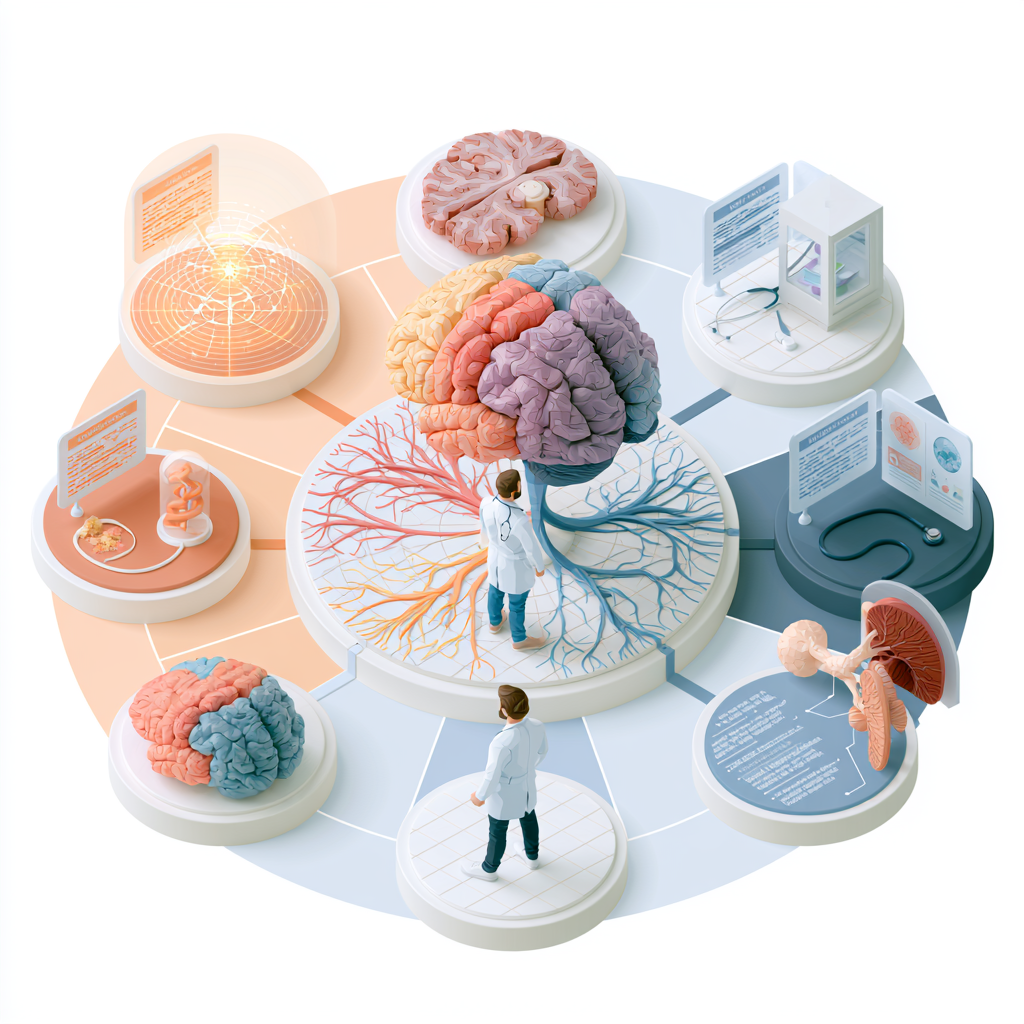
Integrated polysubstance abuse treatment means your care is planned around the fact that you are using more than one substance. It also means mental health symptoms like anxiety, depression, trauma, or mood swings are treated alongside substance use.
Instead of looking at drug use as one single problem, integrated care looks at the full picture. Many people in Costa Mesa are mixing alcohol with pills, opioids with stimulants, or marijuana with benzodiazepines. That creates a more unstable pattern, and treatment has to match that reality.
At Breakaway Health, integrated care means:
- Addressing all substances you are using at once
- Treating mental health symptoms that affect relapse
- Using therapy and structure that fits how your brain and body are reacting
- Building a plan that works for your real daily life
This approach matters because polysubstance abuse affects the whole person, and treatment has to do the same.
Why Does Treating Every Substance at the Same Time Improve Recovery Outcomes?
A lot of people try to stop “the worst” substance first, then deal with the rest later. That usually fails. When one substance is removed, the brain often pushes harder for another one.
For example:
- Someone stops opioids but starts drinking more
- Someone quits cocaine but relies on Xanax to calm down
- Someone quits alcohol but starts using weed daily to sleep
- Someone tries to stop pills but increases stimulants to function
If treatment only focuses on one substance, the rest become replacements. That keeps the addiction cycle alive, even if it looks like progress on the surface.
Treating every substance at the same time helps because:
- It reduces substitution behavior
- It stabilizes cravings across the board
- It helps the brain reset instead of shifting to the next chemical
- It makes relapse prevention clearer and more realistic
- It creates one unified recovery plan instead of a scattered approach
How Does Integrated Treatment Address Mental Health Alongside Polysubstance Abuse?
Polysubstance abuse often overlaps with mental health symptoms. Some people started using substances to cope with panic attacks. Others used drugs to numb trauma. Some use stimulants to fight depression, then use alcohol to calm down afterward.
When mental health is not treated, polysubstance use keeps coming back as a coping tool.
Integrated care helps by treating the emotional drivers that keep substance abuse going, including:
- Trauma symptoms
- Depression
- Anxiety
- Mood swings
- Grief
- Shame
- Family conflict
- Low self worth
- Anger or emotional numbness
At Breakaway Health, therapy is built into addiction treatment so you are not forced to choose between substance abuse help and mental health support. They are connected because they often come from the same root issues.
We use trauma therapy, individual counseling, group therapy, grief support, and family therapy to help you build emotional stability instead of relying on chemicals.
What Happens During an Integrated Treatment Plan for Polysubstance Addiction?
Integrated care means you do not just stop using. You learn why you are using and what needs to change to stay stable.
A typical integrated treatment plan at Breakaway Health includes:
- Full assessment: We look at what substances you are using, how often, and how they interact with mental health symptoms.
- Stabilization and structure: We focus on safety, routine, and support because polysubstance recovery can feel unpredictable.
- Therapy that matches your pattern: We do not treat alcohol use one way and stimulant use another way without connection. Everything is tied to your triggers, emotions, and lifestyle.
- Family and relationship involvement: Polysubstance abuse affects your home life and relationships. Healing those areas matters for long term outcomes.
- Relapse Prevention Planning: Relapse prevention is stronger when you understand your full pattern, not just one substance.
How Do PHP and IOP Programs in Costa Mesa Support Integrated Polysubstance Recovery?
Many people with polysubstance abuse need more structure than weekly therapy. That is where PHP and IOP can make the difference.
- PHP in Costa Mesa provides a high level of support with frequent therapy sessions, group work, skill building, and daily structure. It is ideal for people who are at high relapse risk or need more supervision while rebuilding stability.
- IOP in Costa Mesa offers continued treatment while allowing clients to return to work, school, or family responsibilities. It still provides strong support, but with more flexibility.
Breakaway Health offers both PHP and IOP because polysubstance abuse recovery often needs step down care. Clients benefit from staying connected to treatment longer, especially after early stabilization.
PHP and IOP help because:
- They create consistency
- They reduce isolation
- They keep support in place while cravings shift
- They treat mental health symptoms that often rise during early recovery
- They help people rebuild life skills without jumping back into chaos
This structure makes integrated care more effective.
When Is Integrated Polysubstance Treatment Needed Instead of Standard Rehab?
Standard rehab can work for some people, but polysubstance abuse often needs more coordination.
Integrated polysubstance treatment is often needed when:
- You use more than one drug regularly
- You drink and use drugs at the same time
- You switch substances based on mood or situation
- Your mental health symptoms increase when you try to stop
- You have relapsed multiple times after trying to quit one substance
- You use one substance to manage withdrawal from another
- You feel unstable emotionally even when sober
If your substance use is layered, treatment should be layered too. Integrated care prevents gaps that can lead to relapse.
Breakaway Health is experienced in treating these patterns because polysubstance abuse is common in Orange County and often connected to stress, mental health struggles, and the opioid crisis.
How Does Integrated Care Lower Relapse Risk After Treatment Ends in Costa Mesa?
Polysubstance relapse often happens when:
- cravings shift unexpectedly
- stress increases
- mental health symptoms return
- old environments and people trigger use
- someone replaces one substance with another
- support disappears too soon
Integrated care lowers relapse risk by preparing you for real life. It helps you understand why you use different substances, when you are most vulnerable, and what coping tools work best for your brain.
Breakaway Health lowers relapse risk by focusing on:
- relapse prevention planning
- therapy for trauma and emotional triggers
- group support and accountability
- family therapy to reduce conflict and improve support
- alumni programs and continued connection
- ongoing mental health care
Recovery outcomes improve when care continues beyond early sobriety. Integrated treatment gives you tools that are realistic, not just theory.
Get Polysubstance Abuse Support at Breakaway Health
Polysubstance abuse is rarely simple, and treatment should not be simple either. Mixing drugs and alcohol affects the brain, the body, and emotional stability all at once, which is why integrated care works better than treating one issue at a time. When treatment addresses addiction and mental health together, outcomes improve and relapse risk drops. Programs like PHP and IOP in Costa Mesa give structure while people rebuild stability and cope with real triggers. If you are ready to get real support, Call Breakaway Health Today!
Frequently Asked Questions (FAQs)
What is the meaning of integrated treatment?
Integrated treatment means treating substance use and mental health together in one coordinated plan, instead of separating addiction care from therapy or psychiatric support.
What are the examples of integrative therapy?
Examples of integrative therapy include CBT plus trauma therapy, group counseling with psychiatric support, family therapy combined with relapse prevention, and mindfulness used alongside evidence-based treatment.
What are the examples of integrative therapy?
Integrative therapy can include CBT, DBT, trauma-informed therapy, family counseling, medication management, and skills training used together to support addiction recovery and mental health stability.
What is the difference between holistic therapy and integrative therapy?
Holistic therapy focuses on the whole person using wellness-based methods, while integrative therapy combines holistic support with clinical, evidence-based treatments like therapy and medication management.
What is an integrative treatment plan?
An integrative treatment plan is a structured care plan that combines therapy, mental health support, relapse prevention, and recovery tools to treat addiction and emotional symptoms at the same time.