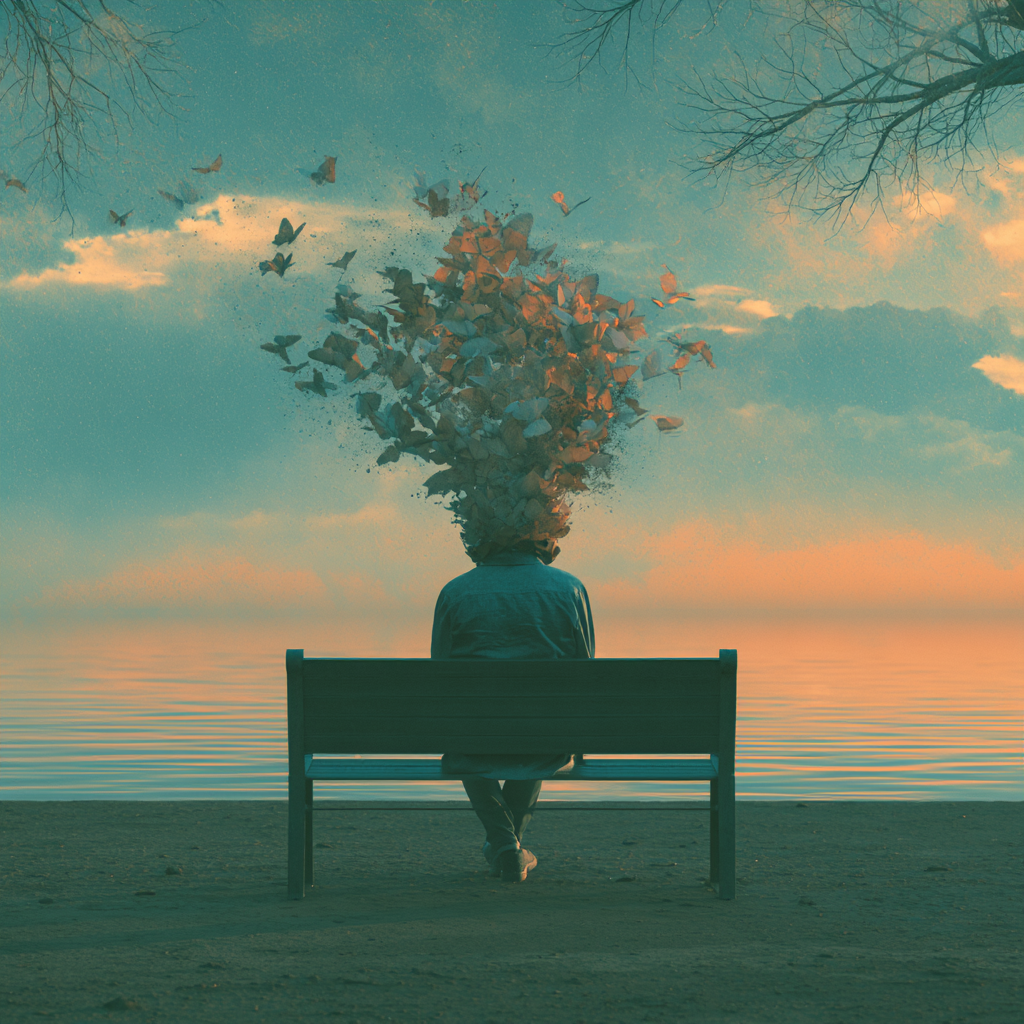


Why Seasonal Depression Feels Stronger Than You Think
Seasonal depression can feel heavier than other mood changes, especially when motivation and appetite start to shift. Many people don’t realize these symptoms are building until everyday tasks begin to feel harder. It’s common to wonder why your energy drops or why sadness seems to grow stronger during certain months. These feelings are your mind and body reacting to seasonal changes. Once you understand what triggers these shifts, it becomes easier to take steps that support your mental health. At Breakaway Health, we help clients recognize these triggers and manage seasonal depression with clarity and confidence.
IWhat Everyday Changes Trigger Seasonal Depression for Most People
Even small shifts in your daily routine can play a major role in seasonal depression symptoms. Many people notice these changes without realizing they are the first signs of mood decline.
Everyday triggers may include:
- Waking up in the dark during fall or winter
- Spending more time indoors due to colder weather
- Losing access to outdoor hobbies
- Increased time alone
- Busy schedules that interrupt normal routines
These routine disruptions can affect mental health because structure plays a major role in emotional balance. When your days lose rhythm or feel less stable, your mood often follows. Breakaway Health helps clients build supportive routines that bring back predictability, comfort, and control during seasonal shifts.
How Does Reduced Sunlight Affect Mood and Energy Levels
Reduced sunlight is one of the biggest triggers for seasonal depression. Sunlight affects how your brain produces serotonin, the chemical responsible for mood stability. When sunlight exposure decreases, serotonin production drops, which can increase sadness, irritability, and low motivation.
Less sunlight also disrupts your internal clock. This can make waking up harder, throw off your sleep schedule, and lead to more fatigue throughout the day.
Many people do not notice how impactful sunlight is until symptoms become stronger. Breakaway Health teaches clients how to create healthier exposure patterns using morning light, outdoor time, and structured routines that support their natural rhythm.
Why Do Cold Weather and Shorter Days Increase Seasonal Depression Symptoms
Cold weather and shorter days can limit social time, reduce physical activity, and increase isolation. These changes affect mental health because connection, movement, and sunlight play major roles in emotional stability.
Shorter days can also create long stretches of evening darkness, which may make you feel tired earlier or disconnected from your usual routine. Cold weather can reduce the desire to leave home, making it easier for symptoms like sadness and irritability to grow.
Breakaway Health supports clients by helping them build accessible habits that work during colder months, such as indoor movement, consistent sleep schedules, and warm, comforting routines that support emotional stability.
How Can Holiday Stress and Social Pressure Trigger Seasonal Depression
The holiday season can feel joyful for some, but stressful for many. Holiday stress is one of the strongest seasonal depression triggers because it affects mental and emotional energy.
Common triggers include:
- Family tension
- Travel pressure
- Overspending
- Grief that resurfaces during holidays
- Social expectations that feel draining
- Busy holiday schedules
These emotional demands can create mental fatigue. People with seasonal depression often feel symptoms increase when holiday pressure grows.
At Breakaway Health, we help clients build coping skills for setting boundaries, managing expectations, and protecting emotional space during busy seasons.
What Role Do Sleep Disruptions Play in Seasonal Depression
Sleep patterns often change during seasonal shifts because darkness influences the brain’s melatonin production. Earlier sunsets can make you feel tired sooner, but waking up may still feel difficult.
Common sleep-related triggers include:
- Oversleeping
- Trouble falling asleep
- Light–dark cycle disruptions
- Fragmented sleep
- Staying indoors too much
When sleep becomes unstable, mood often becomes less predictable. Breakaway Health helps clients create sleep routines that support consistent rest and stabilize daily mood patterns.
How Do Hormonal Shifts Trigger Seasonal Depression Symptoms
Hormonal shifts play a major role in seasonal depression. Reduced sunlight changes serotonin and melatonin levels, which influence mood, sleep, and overall energy.
When these levels shift, people may experience:
- Low motivation
- Sadness
- Difficulty waking up
- Increased cravings
- Mood swings
- Irritability
These hormonal changes are not your fault. They are biological responses to seasonal patterns. Breakaway Health uses structured, therapeutic support to help clients regulate mood and rebuild emotional balance throughout these shifts.
Which Lifestyle Habits Make Seasonal Depression Worse Without Realizing It
Some habits unintentionally worsen seasonal depression symptoms, especially during colder months.
Common lifestyle triggers include:
- Excess screen time
- Staying indoors all day
- Eating irregularly
- Drinking more caffeine
- Lack of movement
- Social withdrawal
These habits can make fatigue, sadness, and low motivation stronger. Breakaway Health helps clients identify these patterns and replace them with supportive routines that rebuild stability and emotional resilience.
Get Depression Support at Breakaway Health
Seasonal depression can feel tough, but you do not have to face these changes alone. With the right support and structure, seasonal triggers become easier to manage and understand. Breakaway Health offers safe, supportive programs that help stabilize mood, rebuild confidence, and bring comfort back into daily life. If seasonal depression is affecting your mental health, Call Breakaway Health Today!
Frequently Asked Questions (FAQs)
1. What is the biggest trigger for seasonal depression?
Reduced sunlight is one of the strongest triggers because it affects serotonin, sleep patterns, and overall mood regulation.
2. Can seasonal depression get worse over time?
Yes, symptoms may become stronger each season if untreated, especially when lifestyle habits and sleep patterns shift.
3. Why does cold weather make me feel sad?
Cold weather limits outdoor time, social activity, and sunlight exposure, all of which impact emotional balance.
4. Can seasonal depression affect my physical health?
Yes. Fatigue, sleep disruptions, appetite changes, and low energy can affect both physical and mental health.
5. When should I get help for seasonal depression?
Seek help when symptoms interfere with daily life, relationships, or emotional well-being. Breakaway Health provides supportive treatment options.