

Key Takeaways:
- Addiction treatment in Costa Mesa often includes evidence-based therapy, detox support, and structured programs like PHP and IOP to help reduce relapse risk and build stability.
- The most effective addiction treatment addresses both substance use and mental health through dual diagnosis care, medication management, and trauma-informed therapy.
- Long-term success after addiction treatment in Costa Mesa is strongly supported by aftercare planning, outpatient therapy, and relapse prevention services that help clients stay on track.
Addiction Treatment in Costa Mesa, California
Addiction can affect your health, relationships, and daily life faster than many people expect. The right treatment depends on the type of addiction, relapse risk, and mental health needs. In Costa Mesa, effective addiction treatment often includes detox, therapy, and structured programs like PHP or IOP. Breakaway Health offers addiction treatment in Costa Mesa, California with supportive care designed to help clients build long-term stability.
What Is Addiction?
Addiction is a chronic condition where one consumes a substance like drug or alcohol over and over despite its harm. It alters brain chemistry, decision-making, and behavior. Is addiction an illness though? Yes, it is generally viewed as a medical disease that alters the way the brain works. It normally has to be treated with medication and psychological counseling.
The disease isn’t solely about drugs. Behavioral tendencies and mental illness usually go hand in hand with addiction, and it’s difficult to break the cycle without a professional. Successful recovery from addiction begins with the identification of symptoms and the resolution of underlying issues.
Some common signs of addiction include:
- Loss of control over usage
- Continued use despite consequences
- Withdrawal symptoms
- Neglecting responsibilities
Addiction is not a question of willpower or character flaws—it’s a serious health problem involving the brain and body. It needs to be treated with real, structured care by individuals who understand how deeply it pervades every part of a person’s life. Recovery is not about pulling oneself out of it; it’s about acquiring the right assistance, treatment, and healing time.
Behavioral Therapies: Foundation of Recovery
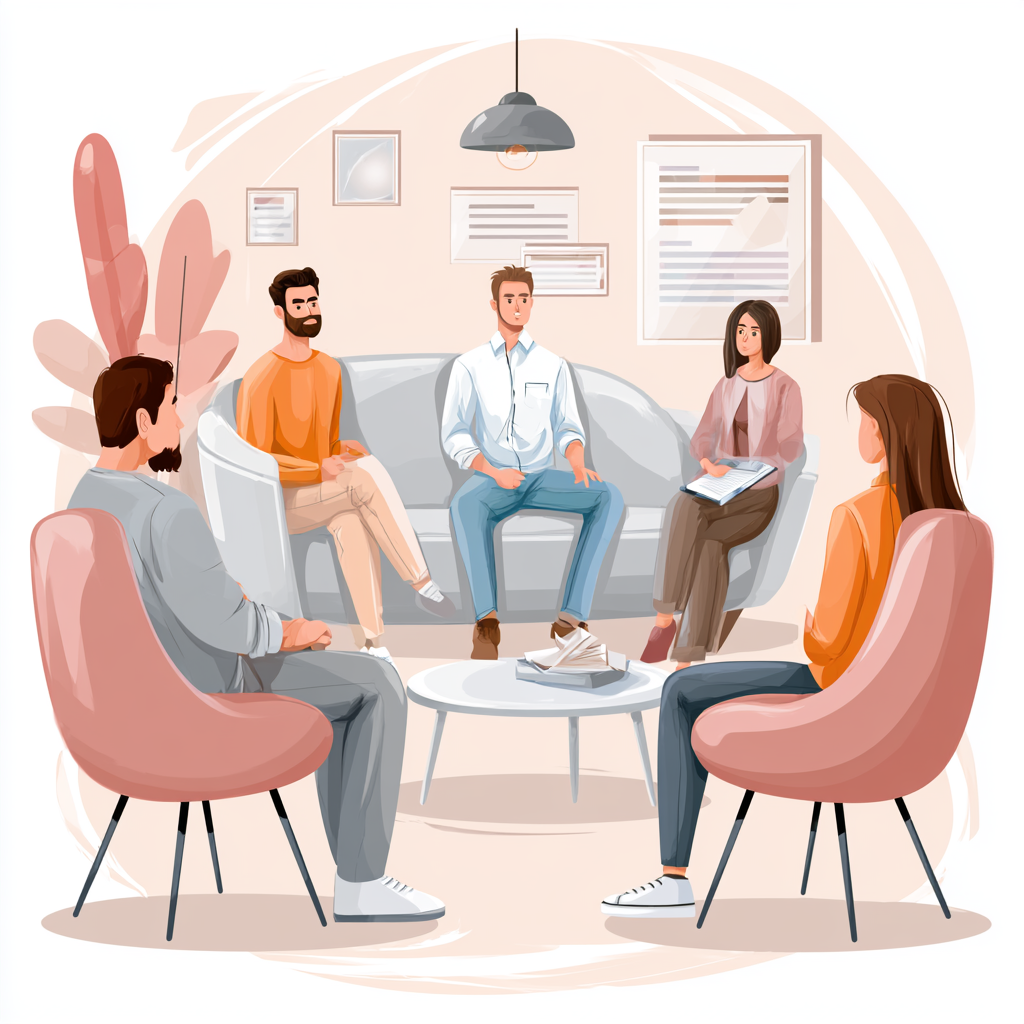
One of the best treatments for addiction is behavioral therapy. This includes approaches that modify thought patterns, helping people respond to triggers in healthy ways.
Cognitive Behavioral Therapy (CBT)
CBT is widely used to treat drug addiction and alcohol addiction. It focuses on identifying negative thought patterns and replacing them with positive coping mechanisms. It’s practical, goal-oriented, and helps patients manage cravings, stress, and relapse triggers.
Dialectical Behavior Therapy (DBT)
DBT is especially helpful for those who struggle with emotional regulation and co-occurring mental health conditions. It teaches techniques such as mindfulness, distress tolerance, and emotional control.
Motivational Interviewing (MI)
This counseling method helps clients resolve ambivalence about recovery. It encourages internal motivation, often becoming a turning point for those resistant to change.
These therapies offer structured, proven strategies that do more than just manage symptoms. They help people begin to genuinely rebuild their lives. Through consistent support, skill-building, and emotional healing, individuals can find a renewed sense of purpose, develop healthier relationships, and create a lifestyle that supports long-term recovery. It’s about giving people the tools and confidence to move forward with strength and hope.
Are Medications Used in Drug Addiction Treatment?
Absolutely, and for many people, they’re a game changer. Medication-assisted treatment (MAT) plays a crucial role in helping individuals manage intense cravings, stabilize their physical health, and create a clearer path forward. Especially for those recovering from opioids or alcohol, these medications can reduce the distress of withdrawal and lower the risk of relapse. When paired with therapy and ongoing support, MAT becomes more than just a tool. It becomes a life-saving part of recovery that helps people regain control and start rebuilding their lives with greater confidence.
Common Medications
- Buprenorphine and Methadone: Used for opioid addiction, they help reduce cravings and withdrawal symptoms.
- Naltrexone: Blocks the euphoric effects of drugs and alcohol, reducing the urge to use.
- Disulfiram and Acamprosate: Aid in alcohol addiction treatment by altering how alcohol affects the brain.
These medications don’t replace therapy. They work alongside it, strengthening the healing process by easing physical symptoms and improving mental clarity. With proper medication management, overseen by experienced healthcare providers, individuals receive the safest dosage, ongoing evaluation, and support to minimize any risks of dependency or side effects. This careful approach allows people to focus more fully on therapy and self-growth without the overwhelming burden of unmanaged withdrawal or cravings.
When medical and psychological care come together like this, they create a more stable and effective foundation for long-term recovery. It’s not about choosing one path over the other. It’s about weaving every available support into a treatment plan that truly works for the individual.
Addressing Mental Health and Underlying Issues
Addiction rarely happens in isolation. Many individuals also grapple with depression, anxiety, PTSD, or other mental health conditions that are deeply intertwined with substance use. These overlapping issues can make recovery feel even more overwhelming, which is why treating both the addiction and the mental health challenges at the same time is so important. This approach, called dual diagnosis treatment, doesn’t just treat symptoms. It helps people heal on a deeper level by addressing the emotional pain, trauma, or psychological patterns that often fuel addictive behaviors. It’s one of the top treatments for overcoming addiction because it treats the person as a whole, not just the surface-level symptoms.
Integrated Treatment Plans
- Mental health counseling
- Psychiatric care and medications
- Support groups and trauma-informed therapy
Focusing on the underlying issues ensures that recovery is meaningful and lasting. When individuals take the time to heal the emotional wounds, traumas, and patterns that often drive addiction, they’re not just treating the surface. They’re building a more resilient foundation for lasting change. Addressing mental and emotional pain early on not only lowers the chances of relapse but also promotes better overall well-being. Left untreated, addiction can lead to serious long-term effects like changes in brain chemistry, chronic health conditions, and broken relationships. This is why prioritizing mental health from the beginning isn’t just helpful but it’s necessary for a healthier, more connected future.
After Care and Long-Term Support
Recovery doesn’t end after detox or therapy. After care provides a long-term safety net, helping clients maintain sobriety and build a healthy lifestyle. It’s the space where people can practice what they’ve learned in treatment while still having access to guidance and support. Having someone to check in with, a group to lean on, and structured routines in place can make all the difference when real life starts to settle back in. It’s about having a lifeline that continues even after the hardest days have passed.
Types of After Care Services
- Outpatient therapy
- Sober living homes
- Peer support groups like AA or NA
- Life coaching and relapse prevention programs
Ongoing support isn’t just helpful. It’s often what keeps people grounded when life gets complicated again. Having consistent check-ins, a safe place to talk, and people who understand what you’re going through builds accountability and reminds individuals that they’re not alone in the process.
The real key to overcoming addiction is in showing up for yourself day after day, even when it’s hard. That’s why continuing care is so powerful. It helps answer the question: Can addiction be cured? While there may not be a one-time fix, with the right support system, people absolutely can live full, meaningful lives that are free from the hold of substances.
Where Can I Find the Best Treatment for Overcoming Addiction?
If you’re wondering where you can find the best treatment for overcoming addiction, look for a facility that offers personalized, evidence-based care. Breakaway Health in Costa Mesa, CA, provides all the essential services under one roof:
- Therapy tailored to your needs
- Medical supervision and medication management
- Holistic treatments for mental and physical health
- Long-term after care support
Every person’s path to recovery is different. What works for one might not work for another. That’s why we offer a range of solutions that target every aspect of addiction, from physical symptoms to emotional wounds.
Start Addiction Treatment at Breakaway Health in Costa Mesa
Overcoming addiction may feel out of reach but with the right support, it is entirely achievable. By combining behavioral therapies, medication management, mental health support, and after care, recovery becomes a reality for thousands of people every year.
If you or a loved one is battling drug addiction or alcohol addiction, know that help is available. Breakaway Health is here to guide and support you every step of the way. Call Breakaway Health Today!
FAQs
What are the top treatments for overcoming addiction?
The most effective treatments include behavioral therapy, medication-assisted treatment, mental health support, and ongoing after care.
Are medications used in drug addiction treatment?
Yes, medications like buprenorphine, methadone, and naltrexone help manage cravings and withdrawal symptoms.
Can addiction be cured?
While there’s no permanent cure, addiction can be managed successfully with proper treatment and support.
What are the long term effects of addiction?
Addiction can lead to chronic health issues, brain changes, relationship problems, and mental health disorders if left untreated.
Where can I find the best treatment for overcoming addiction?
Breakaway Health in Costa Mesa, CA, offers professional, evidence-based treatments for addiction recovery.