

Key Takeaways:
- Cognitive Behavioral Therapy helps people identify and change negative thinking patterns that affect emotions and actions.
- CBT effectively treats anxiety, depression, and substance abuse by teaching clients practical coping tools that lead to long-term stability.
- Breakaway Health integrates CBT into every level of care, helping clients rebuild confidence, clarity, and healthier habits.
Rewriting the Way You Think and Feel
Sometimes, the hardest battles happen inside your own mind. Thoughts that repeat, worries that spiral, and emotions that feel too heavy to carry can shape how you live each day. For many people struggling with mental health or substance abuse, those thought patterns become automatic and deeply rooted but they can be changed.
That’s the heart of Cognitive Behavioral Therapy (CBT). It’s a type of therapy that focuses on identifying negative thought patterns and replacing them with realistic, healthy ones. At Breakaway Health in Costa Mesa, California, we’ve seen how CBT helps clients build confidence and regain control of their emotions.
What Is CBT?
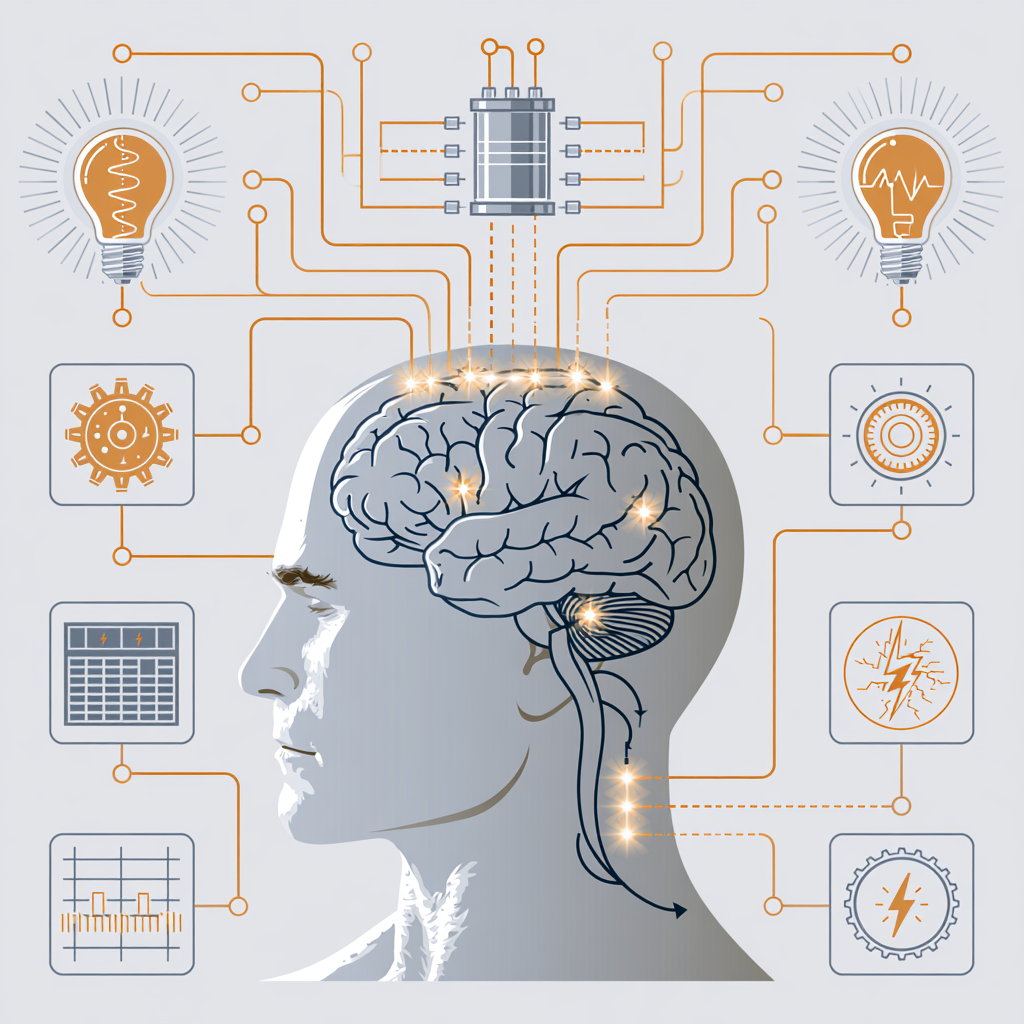
Cognitive Behavioral Therapy (CBT) is a structured form of talk therapy that helps individuals change negative thinking and behavior patterns. It’s based on the idea that our thoughts, feelings, and actions are connected by changing one, we can influence the others.
CBT is used to treat a wide range of conditions, including anxiety disorders, depression, substance abuse, and post-traumatic stress disorder (PTSD). Unlike older forms of therapy that focus heavily on the past, CBT focuses on the present and how current thinking affects behavior today.
At Breakaway Health, our therapists use CBT to help clients challenge unhelpful thoughts, break unhealthy habits, and practice coping skills they can use outside of treatment.
Who Developed Cognitive Behavioral Therapy?
CBT was developed by Dr. Aaron Beck, a psychiatrist at the University of Pennsylvania, during the 1960s. He noticed that his patients often experienced automatic negative thoughts that contributed to depression and anxiety.
Beck developed CBT to help individuals identify those thoughts and replace them with balanced, accurate beliefs. Over time, his approach expanded beyond depression and became a foundation for treating a variety of mental health and behavioral issues.
When Was Cognitive Behavioral Therapy Developed?
Cognitive Behavioral Therapy was first introduced in the 1960s, but it gained widespread use in clinical settings during the 1970s and 1980s. Since then, CBT has become one of the most researched and effective forms of therapy used worldwide.
At Breakaway Health, CBT remains a cornerstone of treatment because it provides clients with practical tools that work across different challenges from anxiety and depression to trauma and addiction.
What Principle Underlies Cognitive Behavioral Therapy?
The main principle behind CBT is simple: our thoughts influence our emotions and behaviors. When we change our thinking, we can change how we feel and act.
For example, someone struggling with anxiety might think, “I’ll fail if I try.” That belief triggers fear and avoidance. Through CBT, the person learns to replace that thought with, “I can prepare and do my best.” This shift reduces anxiety and encourages healthier behaviors.
At Breakaway Health, our therapists help clients recognize these thought patterns, test their accuracy, and replace them with constructive alternatives. This process promotes long-term emotional stability and self-awareness.
How Does CBT Work?
CBT works by helping clients identify distorted or harmful thoughts, challenge them, and practice new responses in real-life situations. It’s active, goal-oriented, and focused on change.
A typical CBT session involves:
- Identifying negative thought patterns that lead to stress, depression, or anxiety.
- Recognizing triggers that cause emotional or behavioral reactions.
- Challenging unhelpful beliefs through discussion, reflection, and evidence.
- Developing coping skills to handle future stress or cravings.
At Breakaway Health, clients in PHP, IOP, or day programs use CBT techniques during therapy and in daily routines to build resilience and confidence.
What Is the Goal of Cognitive Behavioral Therapy?
The goal of CBT is to help people recognize and correct unhelpful thinking patterns that contribute to emotional distress or destructive behaviors.
For clients dealing with substance abuse, CBT can reveal how certain thoughts like guilt or shame fuel addictive behaviors. For those struggling with anxiety or depression, CBT helps replace negative self-talk with realistic perspectives.
Ultimately, the goal of CBT at Breakaway Health is to help clients build mental strength and emotional clarity that supports lasting recovery.
Is Cognitive Behavioral Therapy Effective?
Yes. CBT is one of the most effective and scientifically supported therapies for both mental health and substance use treatment. Research shows CBT helps reduce symptoms of anxiety, depression, and addiction by addressing the root cause of negative behaviors.
Clients who engage in CBT often experience:
- Improved emotional regulation
- Better communication and relationships
- Reduced anxiety and depression symptoms
- Stronger coping skills for stress and triggers
At Breakaway Health, CBT is integrated with other therapies such as group, family, trauma, and grief therapy to provide well-rounded care for every client.
CBT vs. Traditional Therapy
Aspect | Cognitive Behavioral Therapy (CBT) | Traditional Therapy |
Focus | Present thoughts and behaviors | Past experiences and emotions |
Goal | Change negative thinking and habits | Explore emotional history |
Structure | Goal-oriented and practical | Open-ended discussions |
Duration | Short to moderate term | Often long term |
Techniques | Thought reframing, behavior modification | Reflection, emotional processing |
Results | Teaches coping skills and mental tools | Provides emotional insight |
CBT is ideal for clients who want to see measurable progress and apply tools in daily life.
How Does CBT Help with Addiction and Substance Abuse?
For individuals facing addiction, negative thinking patterns often drive repeated behaviors. CBT helps clients identify triggers, manage cravings, and develop healthier coping strategies.
At Breakaway Health, CBT is central to our therapy for addiction programs. Clients learn how to:
- Recognize thought patterns that lead to substance use
- Replace harmful beliefs with realistic ones
- Develop confidence to handle stress without substances
- Rebuild trust and communication within families
CBT treats anxiety, trauma, and self-doubt that often lie beneath addiction and substance abuse.
How Much Does Cognitive Behavioral Therapy Cost?
The cost of CBT varies depending on treatment length, provider, and program type. On average, individual CBT sessions can range from $100 to $200, while structured programs like IOP or PHP may include CBT as part of an integrated treatment plan.
At Breakaway Health, we work with many insurance providers and strive to make mental health treatment accessible. Our admissions team can discuss costs, coverage, and payment options that fit your situation.
Who Benefits Most from CBT?
CBT is effective for individuals dealing with:
- Anxiety and panic disorders
- Depression or mood swings
- Substance abuse or relapse prevention
- Post-traumatic stress disorder (PTSD)
- Relationship challenges
- Low self-esteem or guilt
At Breakaway Health, we adapt CBT for both adults and adolescents, helping each person apply what they learn to real-world situations.
Get CBT at Breakaway Health
Your thoughts have power but with the right guidance, that power can work for you instead of against you. Whether you’re facing anxiety, depression, or addiction, Breakaway Health in Costa Mesa, CA provides the tools and support to help you regain control.
CBT has helped thousands of people find peace of mind and emotional balance and it can help you too. Call Breakaway Health Today!
Frequently Asked Questions (FAQs)
1. What is CBT?
Cognitive Behavioral Therapy (CBT) is a structured talk therapy that helps people identify and change negative thought patterns that affect behavior and mood.
2. How does CBT work?
CBT works by teaching clients to recognize negative thoughts, challenge them, and replace them with realistic, balanced perspectives that promote healthier behavior.
3. Who developed Cognitive Behavioral Therapy?
CBT was developed by Dr. Aaron Beck in the 1960s to help patients manage depression through cognitive restructuring techniques.
4. Is Cognitive Behavioral Therapy effective?
Yes. CBT is one of the most effective evidence-based therapies for treating anxiety, depression, trauma, and substance abuse.
5. How much does Cognitive Behavioral Therapy cost?
The cost of Cognitive Behavioral Therapy (CBT) typically ranges from $100 to $250 per session, depending on the provider and session length.